
 Corrine Stokoe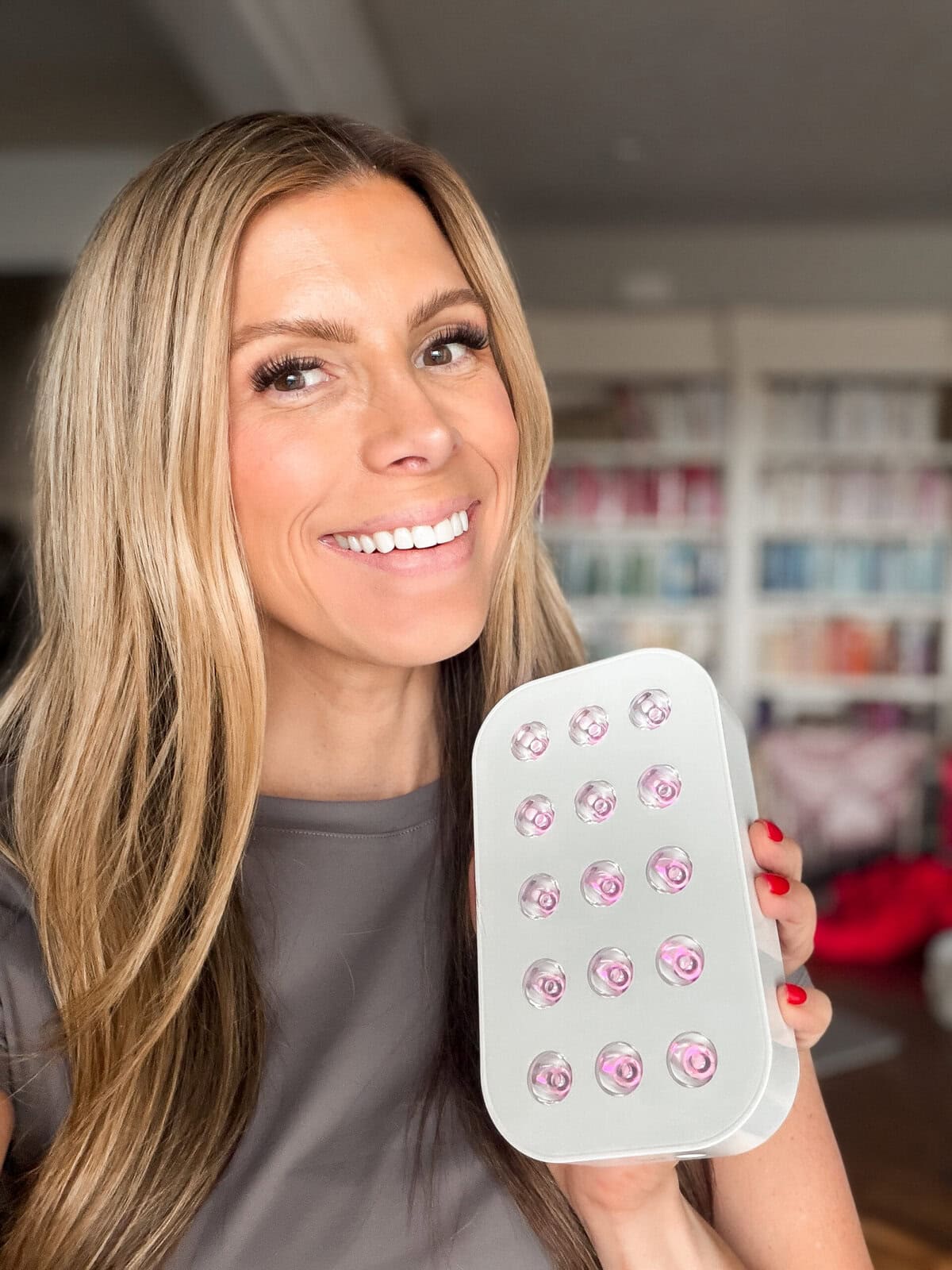
If you came here trying to figure out which red light therapy device is actually worth your money, here is my short answer: Lumebox. I researched Joovv, Mito Red Light, Bon Charge, Solawave, and every cheap Amazon option before I bought one, and Lumebox is the one I have used almost every day for years. Full review below, plus how it stacks up against the other major at-home red light therapy devices.
My quick take on the best red light therapy devices
| Device | My take | Price |
|---|---|---|
| Lumebox | My daily pick. Portable, dual-wavelength, FDA-registered, evergreen discount. | $369 with MINTARROW (regularly $629) |
| Joovv | Powerful panel but huge, expensive, overkill for at-home use. | $1,000–$3,000+ |
| Mito Red Light | Solid panel competitor. Bigger footprint, similar wavelengths. | $700–$2,500 |
| Bon Charge | Australian brand with panels and masks. Good options but pricier. | $500–$3,000 |
| Solawave | Handheld skincare wand only. Different category, not full-body. | $150–$200 |
| Cheap Amazon options | Wrong wavelengths, weak irradiance, no medical-grade testing. | $30–$150 |
What to look for in a red light therapy device
After I went down the research rabbit hole, here is what I learned actually matters:
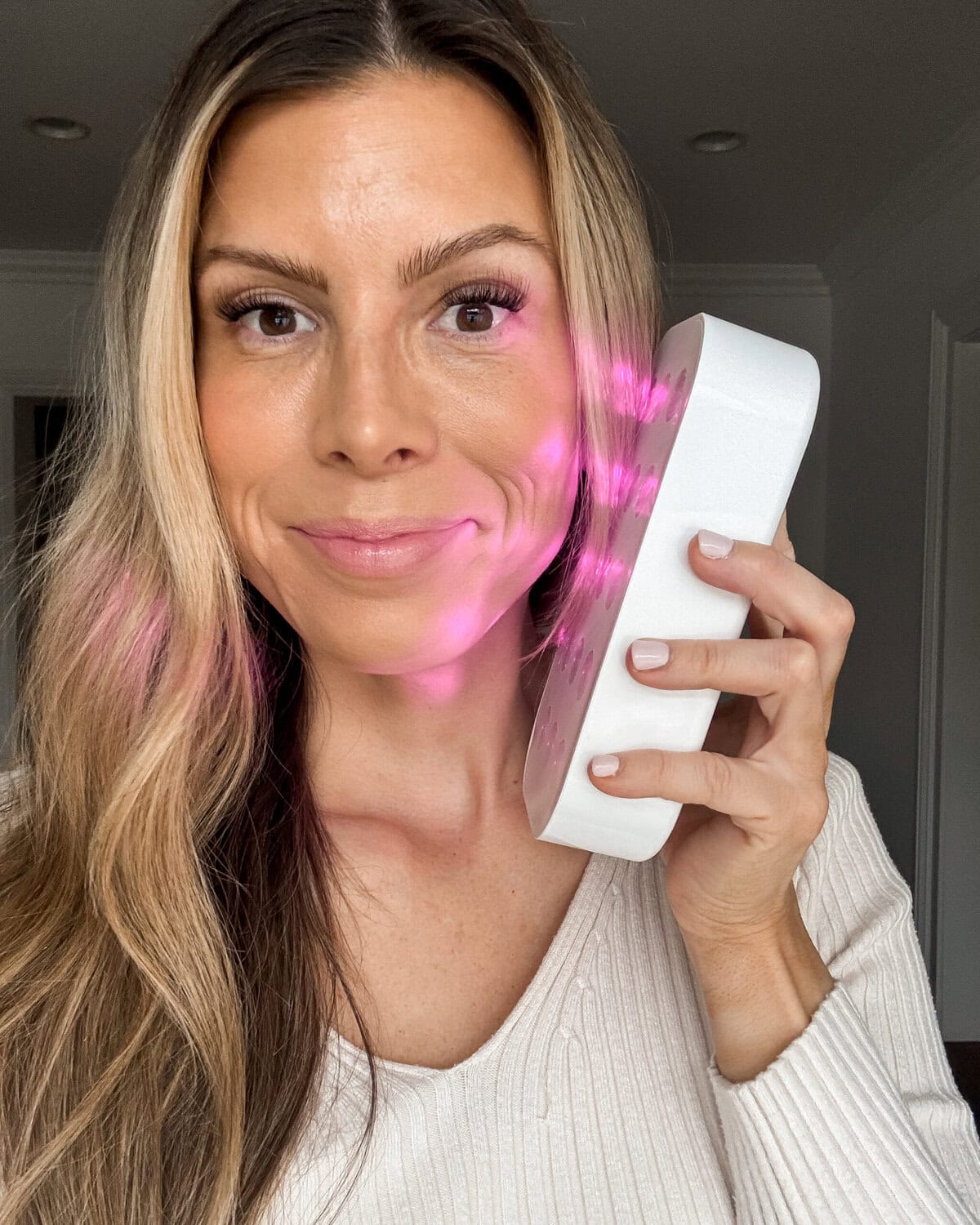
Wavelengths. The two clinically-studied wavelengths are red light at 630nm and near-infrared at 850nm. Anything outside that range is not the same therapy.
FDA registration. A red light therapy device that is FDA-registered as a medical device has gone through testing for safety and basic efficacy claims. Cheap Amazon devices usually skip this entirely.
Irradiance. This is the actual power output, measured in mW/cm². Higher irradiance means shorter session times. The big expensive panels win on raw irradiance, but you do not need salon-level output for at-home daily use.
Form factor. Panels are powerful but huge, expensive, and you cannot move them easily. Portable devices like Lumebox let you treat face, neck, back, knees, anywhere, without rearranging your room.
Long-term cost. A single in-spa red light session costs $50 to $150. Even a $369 portable device pays for itself within months if you use it consistently.
My pick — Lumebox
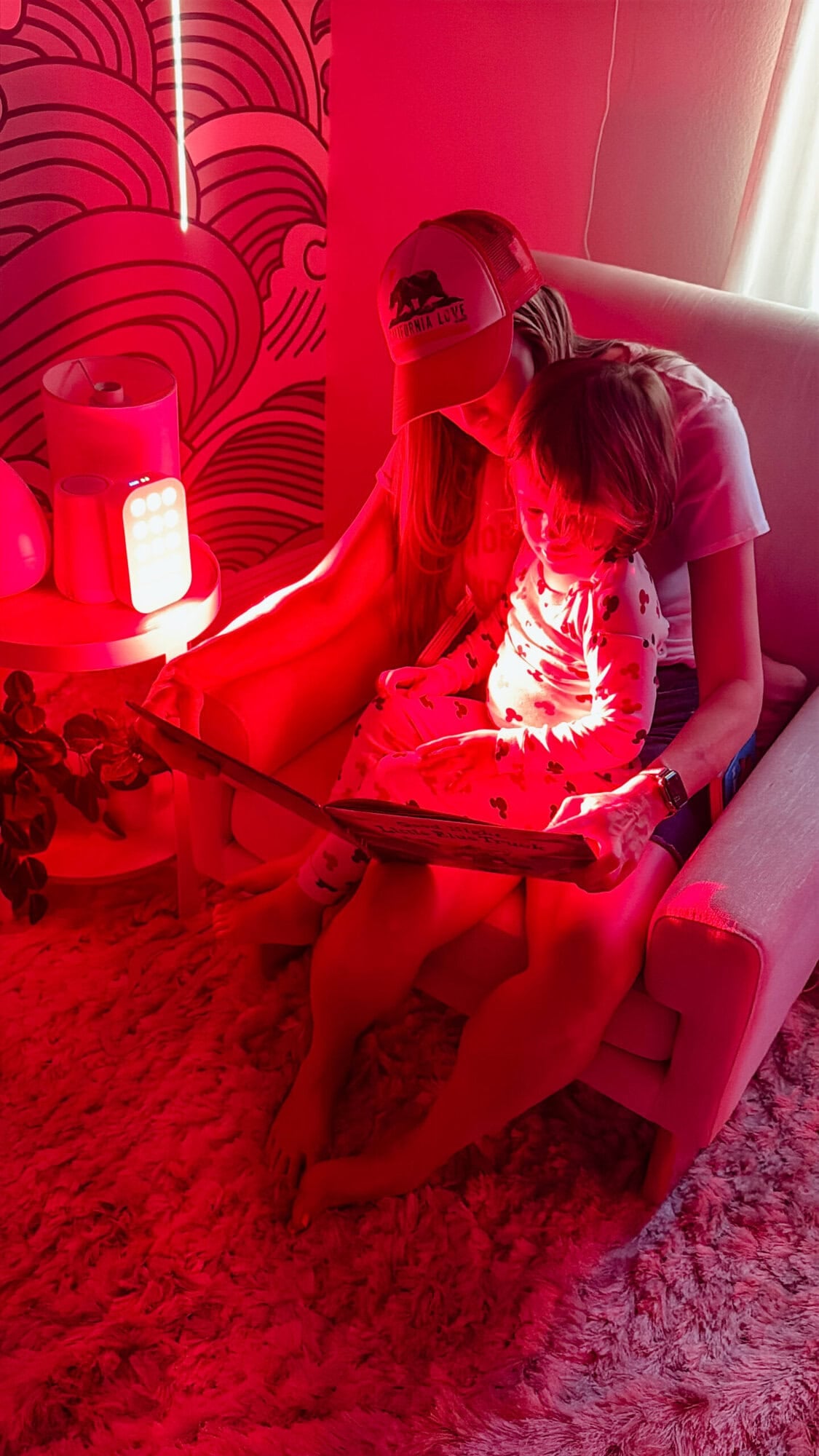
I bought my Lumebox after months of going back and forth on which device to get. Here is why it won for me:
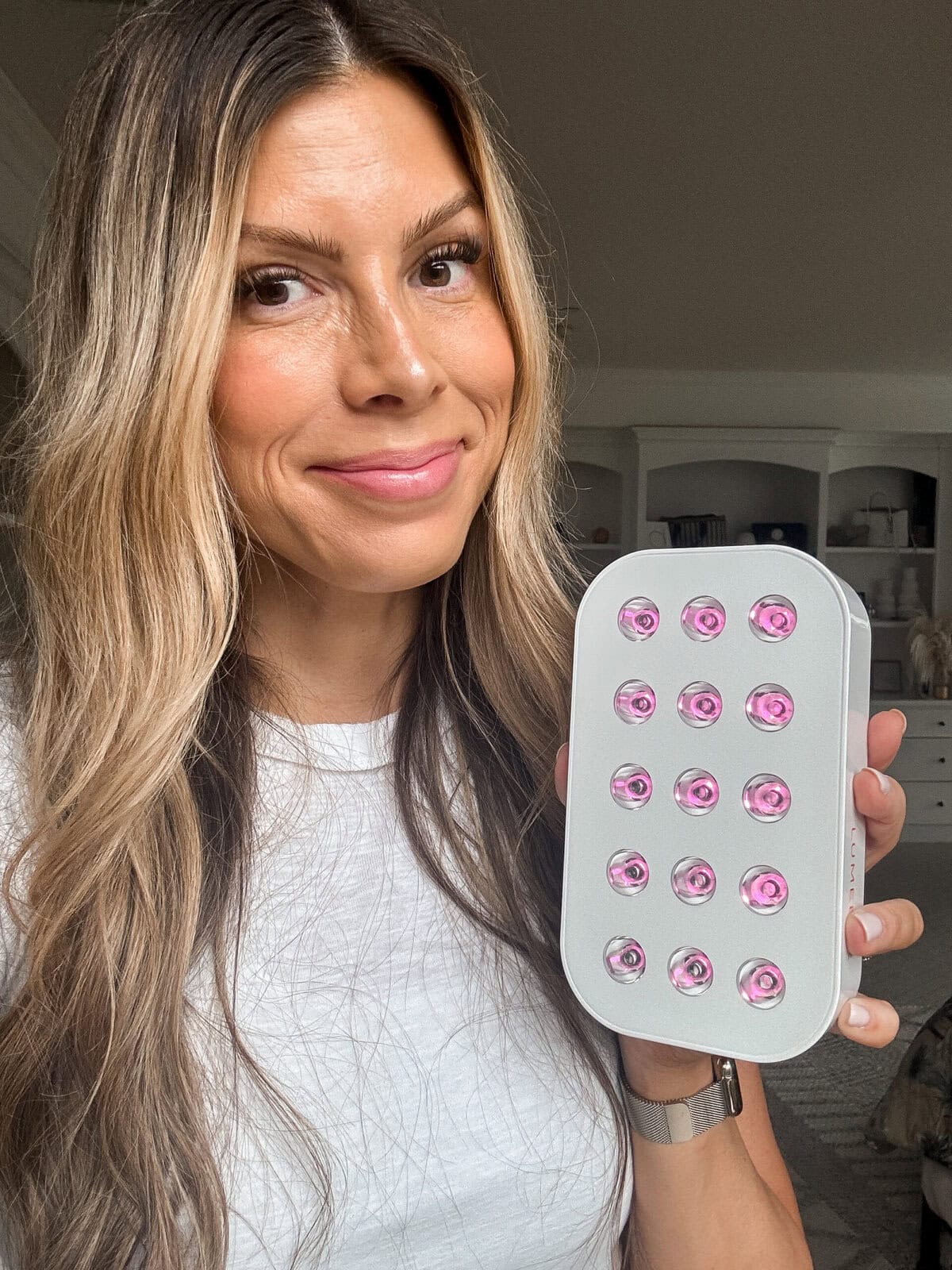
- It is a medical-grade, FDA-registered, dual-wavelength device at 630nm and 850nm (the two clinically-studied wavelengths).
- It is portable enough that I actually use it daily instead of letting it collect dust like the other wellness gadgets I have bought.
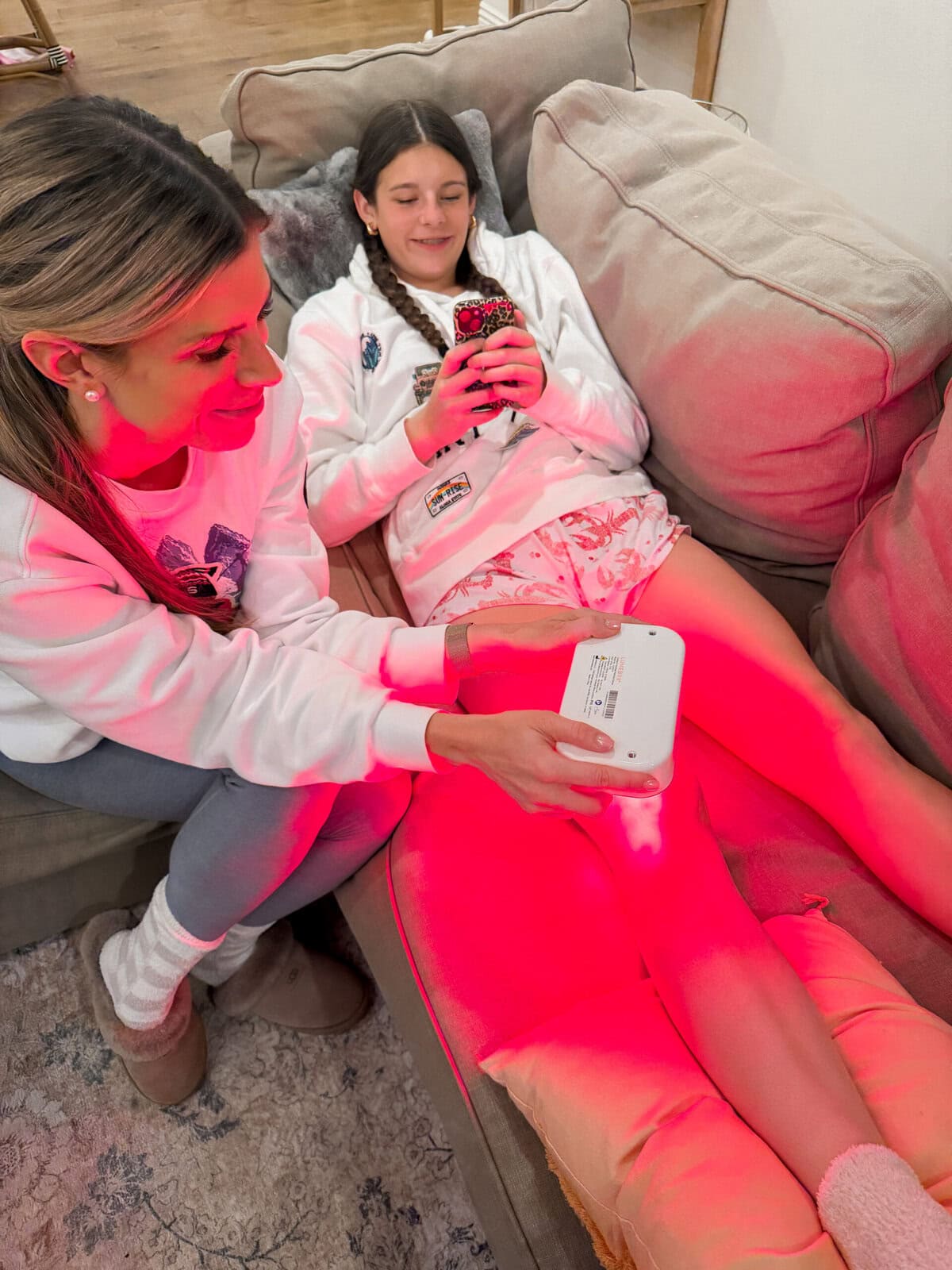
- My whole family uses it. Neil uses it on his lower back, the kids have used it on injuries, and I use it on my face, scars, sore throats, and post-surgery healing.
- At $369 with my discount code, it costs less than three or four salon red-light sessions in my area.
- It has over 1,000 clinical trials behind the underlying therapy (photobiomodulation) indexed on PubMed.
Read my full Lumebox review and get the current discount code →
The other red light therapy devices I considered
Joovv
Joovv is the premium panel that everyone in the wellness world talks about. They sell wall-mounted full-body panels at $1,000 to $3,000+. The light therapy itself is high quality and the irradiance is excellent. The downsides: huge footprint, you have to dedicate space to it, and the price is genuinely steep for an at-home device. For people who want full-body treatment in their home gym, Joovv makes sense. For everyone else, a portable device is more practical.
Mito Red Light
Mito Red Light is the most direct Joovv competitor. Also panels, also dual-wavelength, also a serious price tag. Their panels run $700 to $2,500. Quality is genuinely good. Same issue as Joovv though: big, heavy, and not portable. If I had a home gym and unlimited space, I would consider Mito. I do not, so I did not.
Bon Charge
Bon Charge is an Australian brand that makes both panels and masks. Their LED masks specifically are a different category. You wear them on your face for short sessions. The masks are around $500, the panels go up to $3,000. Good options if you only want facial treatment, but limited compared to a portable device that handles face, body, and family members.
Solawave
Solawave is a handheld skincare wand. It uses red light plus microcurrent and is meant for face only. At $150 to $200 it is cheaper than the medical-grade options. The trade-off: it is a beauty tool, not a clinical-strength device, and it is not going to do anything for back pain, scar healing, or anything below the neck.
The cheap Amazon options
I bought one cheap Amazon panel before I got Lumebox. The wavelengths on most of these are wrong (lots of generic “red light” devices that are not actually 630nm or 850nm), the irradiance is way lower than advertised, and there is no medical-grade testing behind any of it. The Amazon devices look the same in marketing photos but the actual therapy is meaningfully different.
How red light therapy actually works
Photobiomodulation is the official scientific term. Red and near-infrared light penetrate the skin and are absorbed by mitochondria, which boosts cellular energy production. There are over 1,000 clinical trials on photobiomodulation indexed on PubMed covering skin health, wound healing, hair regrowth, muscle recovery, and pain management.
The clinically-studied wavelengths are 630nm (red) and 850nm (near-infrared). Anything outside that range is not the same therapy.
Frequently asked questions
What is the best red light therapy device?
In my experience after researching every major at-home option, the best red light therapy device for most people is Lumebox. It is FDA-registered, dual-wavelength (630nm + 850nm), portable enough to actually use daily, and significantly more affordable than the big-panel competitors like Joovv or Mito.
What wavelengths should a red light therapy device have?
The two clinically-studied wavelengths are 630nm (red light) and 850nm (near-infrared light). A red light therapy device should ideally cover both. Devices that only cover one wavelength, or that use other wavelengths, are not delivering the same therapy that the research is based on.
Are cheap red light therapy devices on Amazon worth it?
In my experience, no. Most cheap Amazon red light devices use the wrong wavelengths, have weak irradiance, and are not medical-grade. The marketing photos look similar to real medical-grade devices, but the actual therapy is meaningfully different. The cheap option I tried before Lumebox did not deliver any noticeable results.
Is at-home red light therapy as effective as in-spa treatments?
For a quality at-home device, yes, with the trade-off of longer session times. A medical-grade portable device like Lumebox has lower irradiance than a spa-grade machine, which means each session is a few minutes longer. The advantage is you can use it daily at home, which compounds far more than occasional spa visits.
Can red light therapy help with skin, pain, and recovery?
The research suggests yes for several specific applications: photobiomodulation has clinical evidence for skin rejuvenation, wound healing, muscle recovery, joint pain, and hair regrowth. My personal use has included all of those plus accelerated healing after my daughter's kneecap injury and after my own surgery. Always consult your doctor for medical conditions.
How long should I use a red light therapy device each day?
For a portable device like Lumebox, 10 to 20 minutes per treatment area daily is typical. For high-irradiance panels like Joovv or Mito, 5 to 10 minutes can be enough. Either way, consistency matters more than session length.
Is Lumebox FDA approved?
Lumebox is FDA-registered as a Class II medical device. FDA registration confirms the device has been reviewed for safety and basic efficacy claims, which is the standard you want for any medical-grade red light therapy device. Cheap Amazon alternatives typically lack this designation.
How does Lumebox compare to Joovv?
Joovv is a high-end panel system designed for full-body treatment in one fixed location. Lumebox is a portable, hand-held medical-grade device designed for daily targeted treatment of face, body, and specific areas. Joovv has higher irradiance, Lumebox has flexibility and a much lower price. Both use the same clinically-studied wavelengths. For most people doing at-home daily treatment, Lumebox is more practical.
My final recommendation
After all the research, here is the bottom line: if you want a red light therapy device that you will actually use every day, that is medical-grade, that is portable, and that does not cost as much as a used car, get Lumebox. Code MINTARROW takes it from $629 down to $369.